
An 18th-century Quaker mill village so intact that the whole place is a National Historic Landmark.
History
Quaker families from Pennsylvania and Maryland began farming this stretch of Catoctin Creek in the 1730s. In 1733 John Mead, a Quaker carpenter from Cecil County, Maryland, bought a 703-acre tract here and carved out a homestead. Amos Janney, a Quaker from Pennsylvania, may have leased or contracted to buy about 253 acres of it from around 1733, and had a deed by about 1737. Janney worked as a surveyor for Lord Fairfax’s land agent and went on to acquire more than 5,000 acres, which he sold or leased to other Quaker farmers. Mead sold 147 acres to David Griffith in 1742 and the remaining 303 acres to Francis Hague in 1743. Hague and Janney had married sisters, and Hague’s land is where the village would later stand.
Amos Janney died in the 1740s without a will, and his son Mahlon inherited his land. In 1755 Mahlon gave about ten acres for a Quaker meetinghouse. Around 1762 he built a grist mill and sawmill on the creek, and he leased them to millers rather than running them himself. The village came two decades later: around 1784 Joseph Janney, a Quaker merchant, laid out lots on a 12-acre parcel beside Mahlon’s mills. Thomas Moore Jr. bought the first lot, and the Moore family’s store, tannery and saddlery made the village a success. The name is said to come from the Moores’ ancestral home, Waterford in Ireland. By the 1830s about seventy houses clustered here, along with a tannery, a chairmaker, a boot maker, shops and a tavern.
Quaker opposition to slavery drew African Americans to the village, though Black and white residents attended separate churches and schools. During the Civil War the largely Unionist town saw clashes between the Union’s Loudoun Rangers and Confederate cavalry, including a skirmish at the Baptist Church in August 1862.
Commerce faded in the early 1900s, which left Waterford’s streetscape remarkably unchanged. In the 1930s and 1940s preservationists set out to revive it as a “Little Williamsburg,” restoring buildings with colonial-style details and often giving them colonial-era dates, even though the village was founded after the Revolution. The Waterford Foundation was formed in 1943, and the village and some 1,420 acres of surrounding farmland were declared a National Historic Landmark in 1970. More than sixty properties now carry preservation easements. The October Waterford Fair, which marked its 80th year in 2024, and the Foundation’s living-history program in the 1867 schoolhouse keep that past in view.
Setting the record straight. Two stories about Waterford’s beginnings keep being repeated. There is no documentary evidence that Amos Janney built a log mill; the first mill on record is Mahlon Janney’s, around 1762, built as the area switched from tobacco to wheat. And land tax records show no village here before Waterford, so the idea that the village was first called “Janney’s Mill” doesn’t hold up. The records name the mill itself, as in a 1763 petition for a road to “Mahlon Janney’s Mill.” The 1733 date often given for Waterford’s founding belongs to the Janney farm next door, not to the land the village was built on. Corrections courtesy of historian Debbie Robison (see credits below).
Waterford’s mills
Flour milling spread through the area from the 1750s as western Loudoun switched from tobacco to wheat. Most of the flour was shipped in barrels to Alexandria, where merchants sold much of it on to the West Indies, where it fed the enslaved people working the sugar plantations. Waterford’s mills were part of that trade.
- c. 1762Mahlon Janney buys a 2.7-acre lot from Francis Hague, his uncle by marriage, and builds a grist mill and sawmill into the hillside, fed by a dam and a head race about half a mile long.
- 1763He leases the mills to Thomas Dodd for about £50 a year. A flood and a rent dispute soon land both men in court.
- By 1803Jonas Potts lists himself as owner in an insurance declaration. The mill of that period was a two-story building, one story stone and one wood, 36 by 42 feet with three pairs of millstones, with a wooden sawmill beside it. Potts’s deed came only in 1808, possibly delayed by Jefferson’s 1807 embargo.
- c. 1803Mahlon Janney builds another sawmill on the Schooley Mill site. His nephew Mahlon Janney Jr. inherits it in 1812, and it is sold in 1828.
- By 1812The water-powered Waterford Woolen Factory is running at the south end of town. It later became a grist mill.
- 1815–1819A boom brings new streets and a larger three-story brick mill. The banking panic of 1819 forces the mill’s sale.
- 1885J. F. Dodd modernizes the Waterford Mill with roller-process flour machinery.
- 1939The Old Mill stops grinding. See Waterways for the creek and its mills.
The first village
Joseph Janney sold or leased the first lots along the main road to fellow Quakers. Thomas Moore Jr., then 24, bought the first in 1784, with a stone house and stable, and opened a store selling imported coffee, rum, tea, fabrics and stoves. James Moore leased Janney’s tannery, and Asa Moore ran a saddlery with young apprentices. Carpenter Evan Taylor, blacksmith Joseph Pierpoint, wire-weaver and wheelwright William Paxson and Joseph Scott, whose log house of about 1785 still stands, followed. By about 1789 some 27 people lived in the new village. It was incorporated as a town in 1801.
Courses through Waterford
Rides through Waterford
- Leesburg to Taylorstown & StumptownApr 1, 2012 · 44.7 mi
- Back to Taylorstown/StumptownMay 12, 2012 · 63.2 mi
- Pavement ends, Fun begins : Loudoun County ExplorerOct 16, 2022 · 38 mi
- Waterford 45K with after-ride pizzaMay 26, 2023 · 27.9 mi
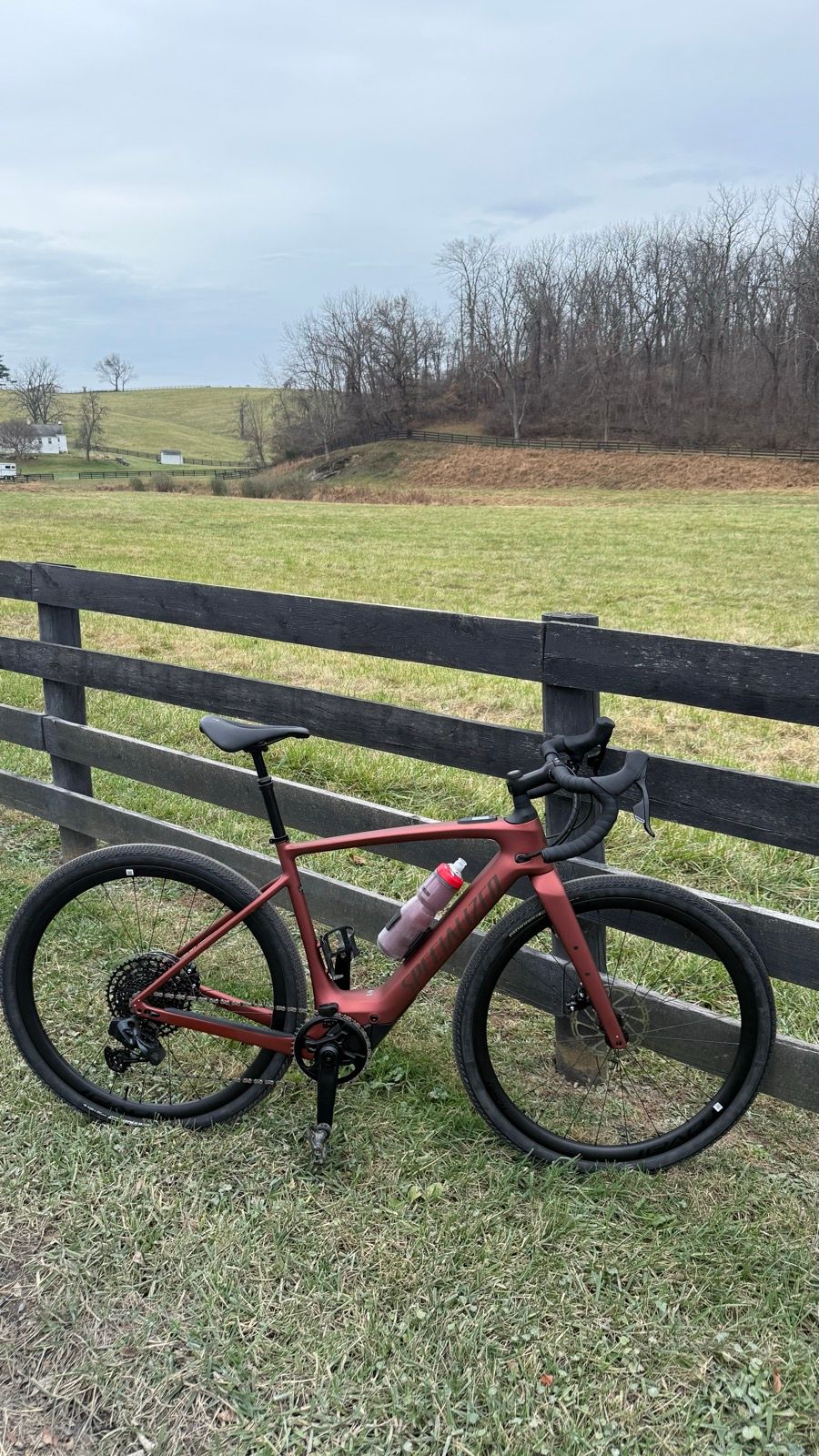
- New bike day : Copper shark maiden voyage from Maverick BikesNov 19, 2024 · 15.5 mi
- Leesburg Saturday Fun RideSep 6, 2025 · 29.3 mi
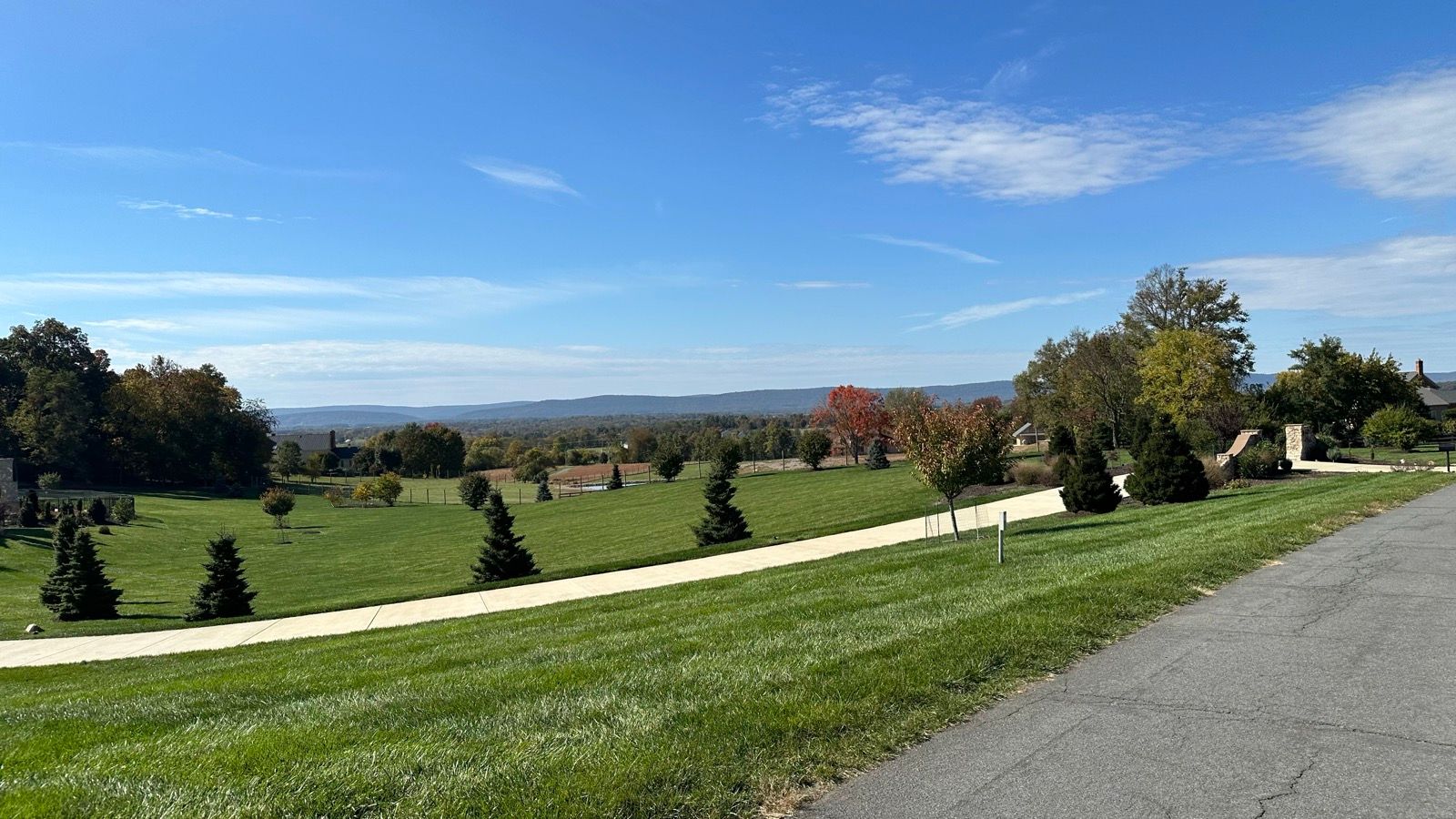
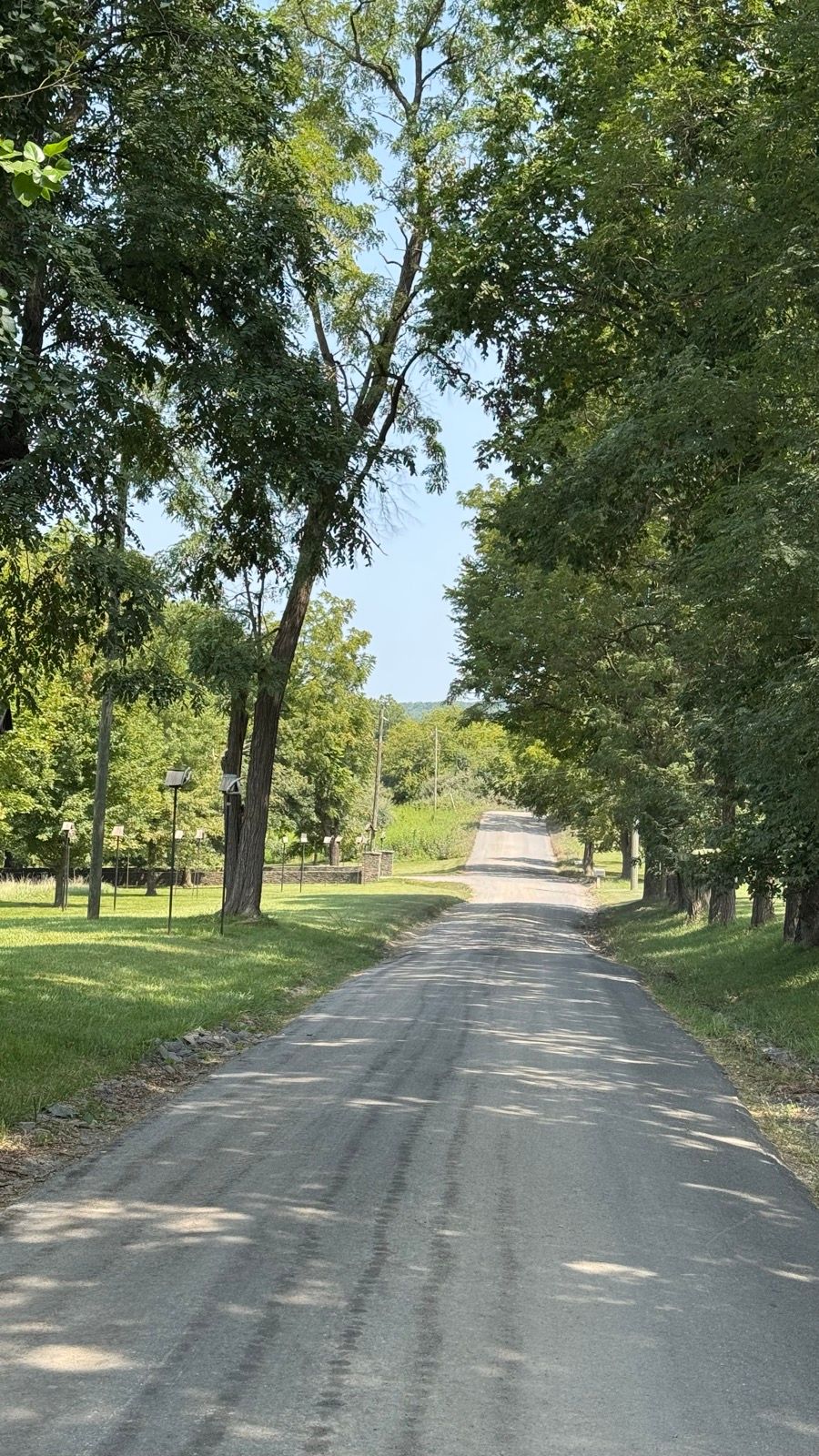
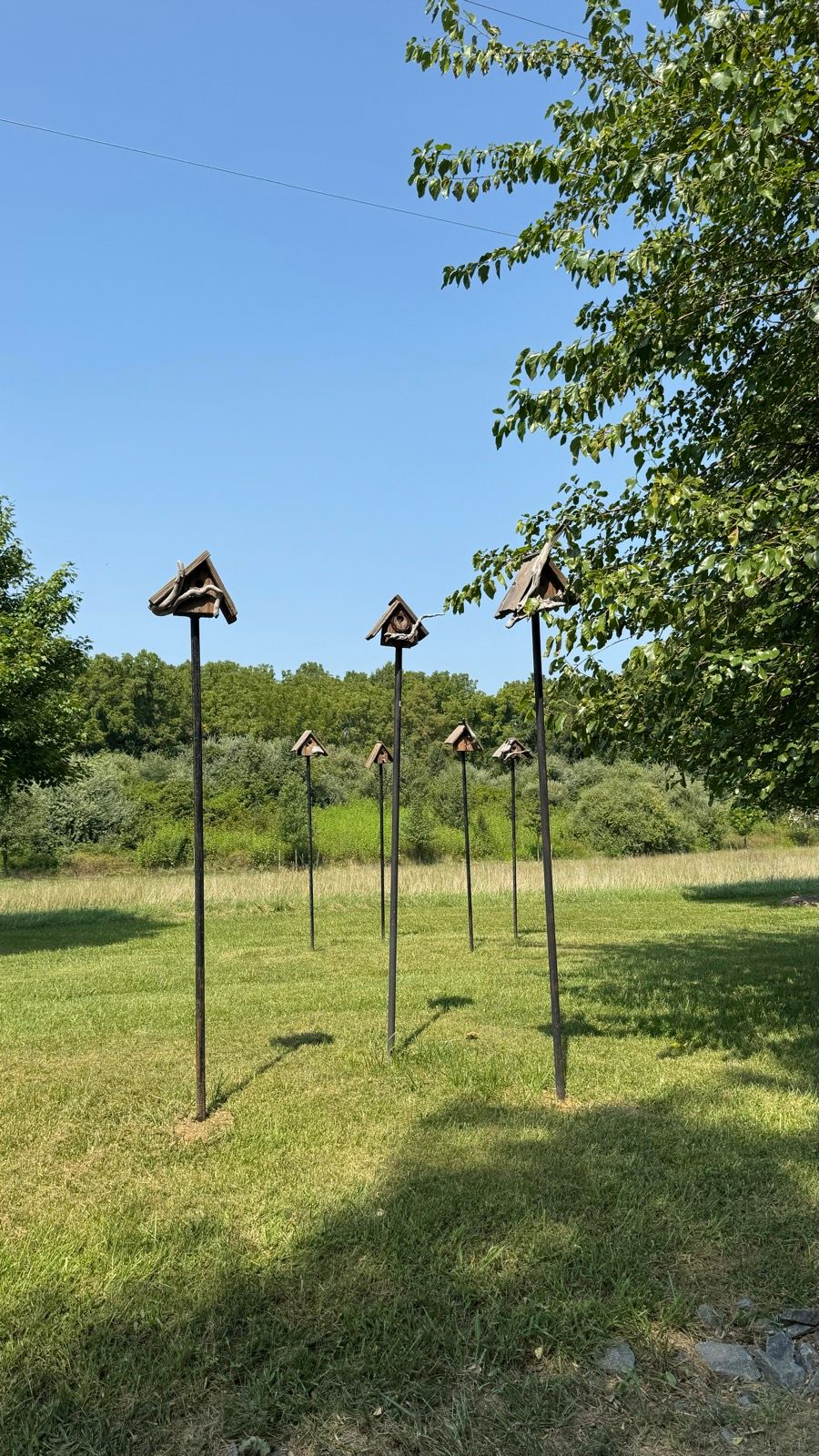
From our rides near Waterford
Friends of Waterford’s history
The history on this page was corrected and expanded with help from historian Debbie Robison, who goes back to Loudoun’s deeds, tax ledgers and court records to separate Waterford’s documented history from its legends. Her research is published at NovaHistory. Thank you, Debbie. These are the articles we drew on, and where to go for the full story.
Before Waterford: From Settlement to Society
NovaHistory · Debbie Robison · 2025
The early settlement period on Catoctin Creek from 1733: John Mead’s 703-acre tract, Amos Janney’s 253 acres and his work as a surveyor and landholder, and Francis Hague’s land, where Waterford would later be founded.
Mahlon Janney’s Mill and Milling in Western Loudoun County
NovaHistory · Debbie Robison · 2025
How Mahlon Janney built and leased the mills around 1762, what they looked like, and how Loudoun’s switch from tobacco to wheat tied local flour to the Alexandria and West Indies trade.
The Founding of Waterford, Virginia (1784–1789)
NovaHistory · Debbie Robison · 2025
Joseph Janney’s plan for a village on his 12-acre tract beside the mills, the first lot buyers and tenants, and the Moore family’s store, tannery and saddlery.
General History of Waterford, Virginia
NovaHistory · Debbie Robison · 2023
The village from its founding through the boom and bust of the early 1800s, the Civil War, the colonial revival era and its designation as a National Historic Landmark in 1970.
On our rides: we’ve ridden through Waterford 19 times since 2009, most often on the Waterford – Lovettsville course.
Sources: NovaHistory (Debbie Robison), including Before Waterford: Carving Out the Wilderness · Loudoun Historic Village Alliance – Waterford · Wikipedia – Waterford, Virginia · Virginia DHR – Waterford Historic District (401-0123). Ride counts from our own Strava and Ride with GPS logs, 2009–2026.